Richard Hurst
The Song You Need
Is Waiting to
Be Found
Richard Hurst’s musical theatre handbook series is where decades of performance, directing, coaching, and teaching become a powerful resource for singers. Explore smarter repertoire choices, richer character interpretation, and confident preparation through Hurst’s experienced, deeply practical perspective for performers and teachers.
50+
Years of theatre experience
Practical
Tools for musical theatre voices
SONG
CHOICE
CHOICE
VOICE
& STORY
& STORY
Musical TheatreVoice • Story • Choice
PracticalBuilt for working performers
About the Books
Two Volumes. Thousands of Possibilities. One Essential Question.
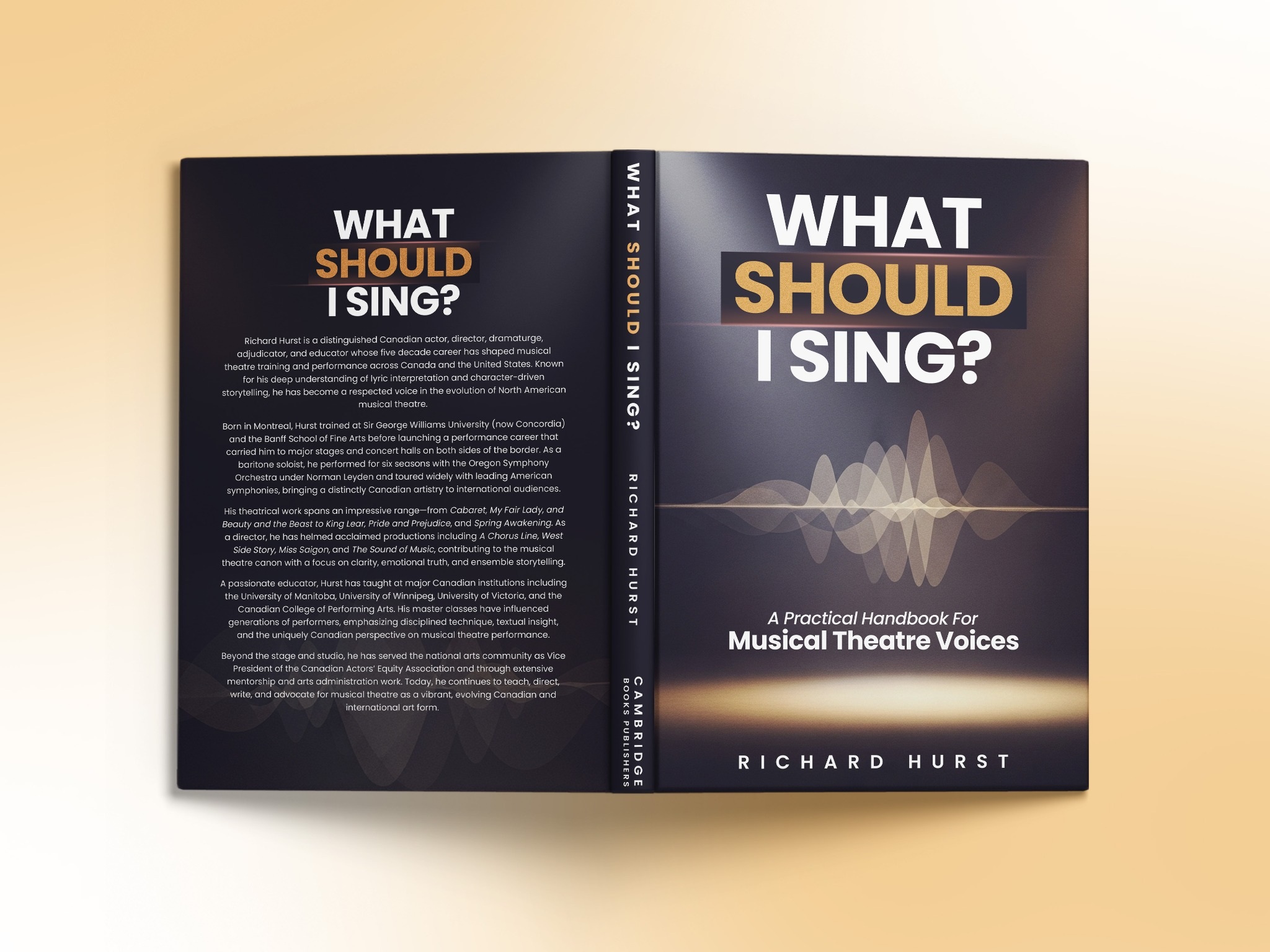
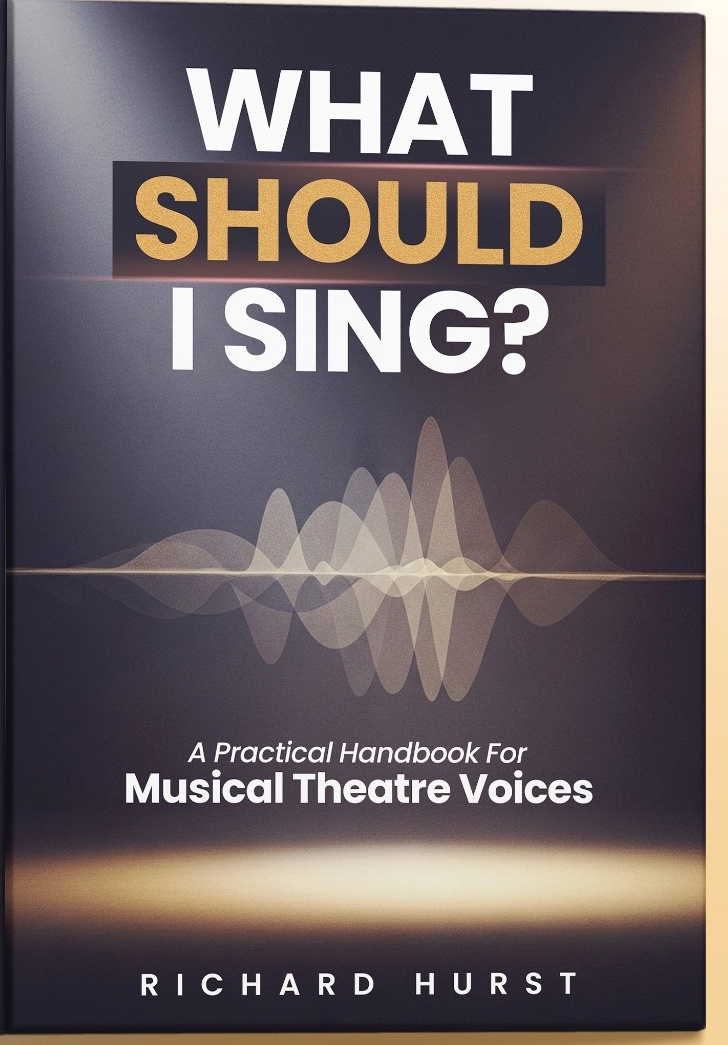
What Should I Sing? — Volume I
What Should I Sing? Volume I turns the search for musical theatre repertoire into an informed process. With more than 1,300 annotated songs, detailed vocal information, character insights, difficulty ratings, and practical coaching guidance, it helps singers discover material that fits their voice, strengths, and goals.
What Should I Sing? — Volume II
What Should I Sing? Volume II expands Richard Hurst’s practical repertoire guide with baritone and ensemble collections, detailed song annotations, performance cautions, contextual insights, and useful indexes. It gives singers and teachers a sharper way to explore repertoire, prepare performances, and make confident musical theatre choices.
Stay in the Repertoire Loop.
Subscribe to receive news, updates, insights and highlights surrounding Richard Hurst’s work and the What Should I Sing? series.
01
Know Your Instrument
Understand the relationship between vocal character, range, comfort, and expressive possibility.
♪
02
Choose the Right Song
Make repertoire decisions with stronger criteria than “I like this song.”
“
03
Read the Lyric
Treat text as dramatic material so every phrase has a reason to exist.
◐
04
Build the Character
Connect musical choices to point of view, stakes, relationships, and action.
“
The goal is not simply to sing the song. It is to discover what the song allows you to communicate.
— A guiding idea behind What Should I Sing?

About the author
Richard Hurst
Richard Hurst brings more than five decades of experience across Canadian and American Theatre as an actor, director, dramaturge, adjudicator, and educator. A respected specialist in Musical Theatre and lyric interpretation, he has trained performers, directed productions, taught extensively, and championed thoughtful, story-driven performance.
Your next song starts here
Ready to answer the question:
What should I sing?
Keep the handbook beside you for auditions, coaching sessions, repertoire planning, and rehearsal.
Contact
Questions, events,
or book enquiries?
Use the form to send an enquiry. Connect the form to your preferred email service or backend before publishing.